Chasing Light
Through December 14, 2026Dean Bensen & Demetra Theofanous, following their sold-out Currents of Uncertainty.

The world’s glass art gallery since 1971, owned and run since 2013 by Corey Hampson and Aaron Schey.
For more than half a century, Habatat Galleries has made the case that glass belongs in the art world, and then built that world: the artists, the market, the collections and the museums. Ferdinand Hampson founded it in Dearborn, Michigan, in 1971 with his sister Linda Boone and her then-husband Thomas Boone. Within a decade it was the first gallery in the United States devoted entirely to glass. Its International Glass Invitational, begun in 1972, is now in its 55th year, the longest-running annual exhibition of contemporary glass.
Glass where it had never been shown. Habatat carried contemporary glass to countries that had never seen it. Cristalomancia (1989), at the Museo Tamayo in Mexico City, was the first major exhibition of contemporary glass in Latin America. Habatat later organized the inaugural exhibition of the Museo del Vidrio in Monterrey (1997). In Taiwan it curated the International Festival for Glass Arts at Hsinchu in 1995 and again in 1997. In 2001 it brought the first international glass exhibition to China, at the Millennium Monument in Beijing and the Shanghai Fine Art Museum. It was the first multicultural exhibition in China since 1947.
Careers that began here. Habatat gave American collectors their first look at artists who now define the field. It held the first solo exhibitions in the United States for Klaus Moje, Pavel Hlava, Stanislav Libenský and Jaroslava Brychtová, and Lucio Bubacco, and Paul Stankard’s first solo exhibition. In 1989–91 Habatat’s galleries in Detroit, Chicago and Florida hosted the touring Australian Kilnformed Glass, with Kurland/Summers in Los Angeles and Heller in New York, and Australian and New Zealand artists such as Warren Langley, Ann Robinson, Garry Nash, Stephen Skillitzi and Brian Hirst showed in its Internationals. The Cincinnati Art Museum’s Wolf collection began there too: in April 1987, on a trip with Nancy and David Wolf to Habatat Galleries in Detroit, the museum’s curator Anita J. Ellis first raised an exhibition of their glass, which became a promised gift to the museum (Outside the Ordinary, Cincinnati Art Museum). Its auctions, from 1994, and the Masterworks sale gave studio glass a secondary market.
Museums built with glass. Habatat has organized exhibitions that toured dozens of museums, from Glass: Artist & Influence (1981, thirteen museums) to eleven exhibitions for the 50th anniversary of American studio glass in 2012. Since 2013, the International’s award winners have opened each summer at the Fort Wayne Museum of Art. Habatat’s collectors have given their collections to museums across the country, and Corey developed the collection of the Imagine Museum in St. Petersburg, Florida, and the glass collection of the Women’s Leadership Center.
The Museum of Arts and Design named Habatat’s founders Visionaries in 2001. Since 2013, the gallery has been owned and run by Corey Hampson and Aaron Schey from Royal Oak, Michigan, with the same aim it started with: putting the artists first and bringing glass to the world.

Weston Lambert · opening November 7, 2026
The first major in-person exhibition at Habatat devoted to the Seattle artist, who fuses glass directly with stone.
Dean Bensen & Demetra Theofanous, following their sold-out Currents of Uncertainty.
Twelve artists, twelve menorahs in glass.
Habatat at the fair in West Palm Beach.
The 12th year of the collectors’ weekend and Glass Art Fair.
Habatat’s third exhibit at the fair.
The 55th International Glass Invitational Award Exhibition. Grand opening May 8.

Habatat’s International Glass Invitational is the longest-running annual exhibition of contemporary glass in the world. It began in 1972, in the first full year of the gallery founded by Ferdinand Hampson and Linda and Thomas Boone, with Harvey Littleton, Dale Chihuly, Joel Philip Myers, Mark Peiser, Richard Ritter and David Huchthausen. Every spring since, for 55 years, Habatat has invited the leading glass artists of the moment to Michigan, and the show has grown into the largest annual glass exhibition anywhere; the 55th International, GLASS55: Shared Legacy, opens in May 2027.
The International has also shown artists who came to glass from other media, among them Judy Chicago and Nicolas Africano, each shown at the International in one year.
Corey co-hosts the International with Aaron Schey. Each edition is juried by museum curators, and its award winners travel to museum exhibitions, each summer at the Fort Wayne Museum of Art.
The first Invitational, in Habatat’s Michigan gallery.
10 Concepts in Glass, Habatat’s exhibition of the turn toward content-driven glass.
Emergence in Glass, a catalogue co-published with Bowling Green State University.
Glass: State of the Art, documenting the growth of glass from 1974 to 1984.
The Annual Invitational Exhibition 1973–1992: A Tradition in the Evolution of Glass.
The first of three Habatat auction sales of studio glass, mostly works of the 1970s and 1980s; Joel Philip Myers’s Dr. Zarkhov’s Tower (1971) went to Marilyn and Eugene Glick.
The Masterworks auction of important studio glass joins the International.
Award winners begin touring museums: the Dennos Museum Center, then Muskegon (2007) and Midland (2008).
The award winners open at the Fort Wayne Museum of Art, beginning an annual partnership.
As President of Habatat, Corey announces the 47th International.
The 50th, during the United Nations International Year of Glass: 95 invited artists and close to 500 works. The Fort Wayne Museum of Art acquires from the show.
Glass53: more than 80 artists and over 500 works, with 24 artists honored by the jury.
Glass54, with Nancy Callan: Interspace at the Fort Wayne Museum of Art, courtesy of Habatat.
GLASS55: Shared Legacy, May 5–9, Royal Oak.
“The International has long been recognized as the defining moment for glass sculpture in that particular year.”
Charles Shepard, President & CEO, Fort Wayne Museum of Art, 2022“Habatat was the best source (in both quantity and quality) of written information about studio glass for the general public and would-be collectors.”
Martha Drexler Lynn, American Studio Glass 1960–1990, 2004Lynn’s history records the gallery’s first years: Ferdinand Hampson, his sister Linda and her husband Thomas Boone opened Habatat in Dearborn in 1971 as a multimedia crafts gallery, drawn to Michigan by the glass activity around Littleton. It became a dedicated glass gallery, and after moving to a larger space in Lathrup Village separated unique sculptural work from production glass.
Habatat introduced some of the most important artists in glass to American collectors, giving many of them their first solo exhibitions.
First one-man exhibition in the United States
First one-man exhibition in the United States
First solo exhibition in the United States
First solo exhibition, as Stankard recounts in his autobiography, No Green Berries or Leaves: The Creative Journey of an Artist in Glass (2007)
First solo exhibition in the United States
First exhibition in the United States
First solo exhibitions in the United States
First one-man exhibition, at Habatat Michigan
First exhibition of his work, at Habatat Florida
The first solo show by an American glass artist at the Museo del Vidrio, Monterrey
First exhibition in the United States
Studio glass needed more than artists and schools. It needed dealers willing to show a material the art world had filed under craft, to put artists’ names in front of collectors, to publish catalogs and to place work in museums. These are some of the galleries that did it, from the first dealers of the 1960s and 1970s to the galleries working today. Many of them gave artists their first shows; several are now closed, but the collections they built remain. A last group are not glass galleries at all: contemporary art galleries whose shows of artists working in glass helped carry the material into the fine-art world.
Ruth Snyderman opened the Works Gallery in 1965 with a friend; Rick Snyderman joined her in the early 1970s. Their second space, The Snyderman Gallery (early 1980s), showed studio furniture and glass, and the two later merged in Old City. For 52 years the galleries helped build Philadelphia’s craft community before closing their doors in July 2017.
Leo and Ruth Kaplan began selling paperweights in 1966 and opened Leo Kaplan Ltd in 1969, specializing in ceramics, glass and paperweights. Leo Kaplan, the leading authority on antique French and American paperweights and a Fellow of the Corning Museum of Glass (1987), opened Leo Kaplan Modern in 2002 to represent contemporary glass.
Founded in 1971 by Ferdinand Hampson with Linda and Thomas Boone; the first gallery in the United States devoted entirely to glass, and home of the International Glass Invitational since 1972. Later galleries followed in Florida and, in 1987, Chicago. More above.
Douglas and Michael Heller began representing glass artists in 1973, among them John Nygren, Mark Peiser, Roland Jahn and James Lundberg, and helped establish the American market for contemporary glass. The gallery has represented Stanislav Libenský and Jaroslava Brychtová since 1980, and works it has shown have entered the Metropolitan Museum of Art and the Museum of Modern Art. It marked its 50th anniversary in 2023 and is now on Tenth Avenue beside the High Line.
Ray Ahlgren, Dan Schwoerer and Boyce Lundstrom founded Bullseye Glass in 1974 to solve the technical problems of their own work; its compatible glass carried kiln-forming around the world. The gallery grew out of the factory’s research, so that work made in Portland could be seen there rather than only in New York, Los Angeles or Zurich. Its 1998 residency launched Giles Bettison, Claudia Borella, Mel George and Jessica Loughlin. Relaunched in 2015 as Bullseye Projects, it runs the biennial Tg: Transitions in Kiln-Glass and tours exhibitions with museums.
Barry Friedman opened his gallery beside his Madison Avenue apartment after 1975 and stood apart for embracing glass as part of what he called contemporary decorative art, including Czech glass, with a solo exhibition of František Vizner in 2008. In 2007 he co-founded Friedman Benda with Marc Benda.
William Traver turned his interior design shop into a gallery in 1977 at the urging of the artists he represented. Traver mounted the first Pilchuck Glass School exhibition and introduced Americans to Lino Tagliapietra. In 2003 he opened a second gallery and Vetri International Glass in Tacoma. His daughter Sarah Traver now runs the gallery, which moved to the Seattle waterfront in 2025 after 32 years on Union Street.
Kenn and Chandra Holsten opened the gallery on June 10, 1978, as one of the first American galleries to show contemporary art glass. A second gallery on Worth Avenue in Palm Beach (1980–90) drew national attention with a Harvey Littleton exhibition in 1981 and a major Dale Chihuly exhibition in 1982. After 31 years Holsten sold the Stockbridge gallery and continues online.
Founded by Elaine Horwitch in 1976; Arlene LewAllen joined in 1994 and became sole owner in 1997. The gallery has represented contemporary glass for nearly four decades, and in 2024 mounted Glassen Wonders, its largest glass exhibition.
The first gallery devoted to glass in Los Angeles, directed by Ruth Summers, and active into the 1990s.
Jim Schantz and Kim Saul, both part of Holsten Galleries from its early years, took over the Stockbridge gallery in 2009, continuing one of the oldest glass programs in New England with artists such as Lino Tagliapietra, Dan Dailey and James Carpenter.
Opened by Sandra Ainsley in 1984; in 1989 the gallery brought Dale Chihuly to Canada for the first time, and Ainsley has long been a leading Canadian dealer of contemporary glass.
Tom Riley opened Riley Hawk in Columbus for his daughter and son-in-law, Sherrie and Tom Hawk, to run; Sherrie Riley Hawk’s first gallery opened in the Short North in 1986. Riley Hawk became one of the nation’s premier galleries for glass, and the Rileys opened further galleries in Cleveland and Washington. Today Tom Hawk runs Hawk Galleries in Columbus, which represents artists such as Lino Tagliapietra and William Morris.
Habatat opened its third gallery in Chicago in 1987, after taking part in the Chicago New Art Forms Exposition the year before. The Chicago gallery later became the Echt Gallery, run by Karen Echt (per Corey Hampson).
Founded by Barbara Shaw and now run by her grandson Jay Shaw, who turned the gallery toward glass; it represents a group of established glass artists on Fifth Avenue South.
Sandy Sardella opened Pismo in 1990, when local artists told her Denver could not support a glass gallery; within two years it was almost entirely glass. Her all-glass gallery on Fillmore Street opened in 1995, with later galleries in Vail, Beaver Creek and Aspen, showing Lino Tagliapietra, Dale Chihuly and Dante Marioni. Raven Gallery later took over one of Pismo’s spaces (per Corey Hampson).
Stanisław Borowski founded the studio with his sons Paweł and Wiktor in 1990, moving it from Germany to Poland in 1992; Paweł leads the studio and Wiktor manages the business and its galleries. Habatat gave the family its first United States exhibition in 2005. Wiktor and his wife run Continuum Gallery (per Corey Hampson).
David and Leisa Austin founded Imago in 1991 and opened its Palm Desert building in 1999, with a separate space for studio glass; they represented Dale Chihuly from their first gallery. Austin Art Projects continues their glass program with Hohmann Fine Art in Palm Desert, showing Lino Tagliapietra, Dante Marioni and John Kiley.
Founded in Bergamo as D’Arte & Divetro, the gallery opened in Venice in 1998 and took its owner’s name in 2004; from Palazzo Treves near San Marco it shows international artists and designers working in glass and represents the international studio glass movement.
Bonnie Marx invited Ken Saunders to form Marx-Saunders Gallery in 1994, focused on studio glass; as Ken Saunders Gallery it shows sculptural work in glass and moved to Chicago’s West Town in 2020.
A West Coast home for European glass; the Hungarian artist Margit M. Tóth showed there from 1998 to 2003.
Duane Reed, drawn to the seriousness of the studio glass movement, opened his gallery in 1994 with an emphasis on glass and ceramic sculpture, including Marvin Lipofsky’s late work.
Run by Maurine Littleton, Harvey Littleton’s daughter, and specializing in glass; in 2012 it mounted an exhibition for the 50th anniversary of the American Studio Glass Movement.
Co-founded by Maureen Cahill, who founded the glass department at Sydney College of the Arts and directed the gallery; Australia’s showcase for studio glass, it took Australian work to the Chicago International New Art Forms Exposition in 1993. From Noris Ioannou, Australian Studio Glass (1995).
Bratislava gallery that published Slovak Contemporary Glass (2008), edited by Katarína Beňová with a foreword by Dan Klein: a history of the glass department at the Academy of Fine Arts and Design, profiles of twenty-four Slovak glass artists and the academy’s list of graduates.
Adriano Berengo opened his studio on Murano to painters, sculptors, designers and architects who had never worked in glass, pairing them with Murano’s masters; his Glasstress exhibitions, from 2009, brought glass to the contemporary art world. See the Berengo line on the Glass Family Tree©.
Among the first handful of galleries to open in SoHo, in 1972, showing painting, sculpture, drawing and photography; it moved to Chelsea in 2008. Nancy Hoffman represented Nicolas Africano, who worked in glass early on, and has shown his cast-glass figures, including Themes and Variations (2026).
A contemporary art gallery in Chelsea that gave glass artists solo shows alongside painters and sculptors, among them Beth Lipman (Faded Bloom, 2012; Precarious Possessions, 2013; Distill, 2016) and the stained-glass artist Judith Schaechter (Super/Natural, 2026).
One of the world’s leading contemporary art galleries, whose program has included glass by Fred Wilson, Maya Lin and Kiki Smith: Wilson’s Venice Suite (2012), the group exhibition GLASS (2016), and Wilson’s Chandeliers (2019), five Murano glass chandeliers that opened Pace’s new New York headquarters, followed by Glass Works 2009–2018 in Seoul.
The glass artist Duncan McClellan opened his gallery in 2010 in a former packing warehouse in an industrial part of St. Petersburg, added a hot shop, and through the DMG School Project brings students to glass; it is part of Tampa Bay’s “Glass Coast.”
Run by Marta Juhász and Robin Quinta, with a large glass program; in 2016 it mounted a Hungarian Glass Exhibition with László Lukácsi and Péter Borkovics.
Founded by Jordan Ahlers after eighteen years at Blue Spiral 1, with an emphasis on material-based work, above all studio glass; its 2018 Summer of Glass exhibitions accompanied the Chihuly exhibition at Biltmore.
Still to be written: Montague Gallery, Miller Gallery, Prism Gallery, The Glass Gallery, Amy Morgan Gallery, Millennium Gallery, Galerie B (Luxembourg), the Rachel collection and a gallery in Texas. Corey is gathering their histories; additions and corrections are welcome through the contact page.
Sources: UrbanGlass: Beth Lipman, Distill; NY Art Beat: Precarious Possessions; Pace: Fred Wilson; Pace announces GLASS; Nancy Hoffman Gallery; Nancy Hoffman Gallery: Nicolas Africano; Margit M. Tóth, European Glass Festival; Péter Borkovics exhibitions; Visit Laguna Beach: AVRAN; Habatat history; Heller Gallery; Corning Museum: Doug and Katya Heller; The Art Newspaper on Douglas Heller (2000); Corning Museum: Leo Kaplan; WHYY on Snyderman-Works; The Bullseye Glass Story; Bullseye Projects; Barry Friedman Ltd; The Design Edit: Barry Friedman; American Craft Council: Traver Gallery; UrbanGlass: Traver at 40; Holsten Galleries: the first 32 years; Berkshire Living: Schantz; LewAllen Galleries timeline; Corning Museum: Greenberg and Steinhauser; Sandra Ainsley Gallery; The Lantern on Riley Hawk; Naples Chamber: Shaw Gallery; Westword on Pismo; Via Fabrilis: Glasstudio Borowski; Palm Springs Life on Imago; Italics: Caterina Tognon; Chicago Gallery News: Ken Saunders; St. Louis Public Radio on Duane Reed; Washington Glass School blog on Maurine Littleton Gallery; American Craft Council: Duncan McClellan; WNC Magazine: Momentum Gallery.
Before glass had a place in the big art fairs, it built its own meeting grounds: places where artists, dealers, collectors and curators came together for a few days, saw the newest work side by side and formed the friendships that built collections. Two of them shaped how glass was collected for decades.
In the early 1960s Frank H. Wheaton Jr., of the Wheaton glass family, visited the Corning Museum of Glass and noticed how much of its glass had been made in southern New Jersey. He resolved to show glass where it was made, and founded Wheaton Village in 1968; its first buildings opened to the public in 1970, around what is now the Museum of American Glass. In 1983 the Creative Glass Center of America began awarding working fellowships to artists from around the world. Two years later came GlassWeekend: from 1985, every other June, the leading glass artists, collectors, galleries and museum curators gathered in Millville for exhibitions, demonstrations, lectures and dinners, with the proceeds supporting the fellowships. It became the place where collectors met the artists and galleries they would follow for years. Habatat took part, among many galleries.
Mark Lyman began the Chicago New Art Forms Exposition in the mid-1980s; Habatat exhibited there in 1986 and opened a Chicago gallery the next year. In 1994 Lyman relaunched the fair as SOFA, Sculpture Objects & Functional Art, at the Sheraton Chicago, with 58 exhibitors and 14,000 visitors; in 1995 it moved to Navy Pier, where it ran each November for decades, and a New York edition followed in the late 1990s. Glass was at its center. Every fall the leading glass galleries from North America, Europe, Australia and Asia set up side by side, museums brought their collector groups, artists gave talks, and Chicago became, for a long weekend, the capital of the market for glass and craft. Lyman led SOFA as founding director of both fairs; Urban Expositions acquired SOFA Chicago in 2013.
Sources: WheatonArts; History of WheatonArts; WHYY on GlassWeekend; UrbanGlass on Mark Lyman and SOFA; The Art Newspaper on SOFA Chicago (2002); Habatat history.
A field is built in print as much as in the studio. These curators, critics and historians wrote the catalogs, reviews and histories that taught collectors and museums how to look at glass, and their books are the sources behind much of this site.
The son of a Corning Incorporated glassblower, Warmus studied art criticism and philosophy at the University of Chicago and became curator of modern glass at the Corning Museum of Glass in 1978. He was the founding editor of the museum’s annual New Glass Review, edited Glass magazine (1986–89), served as executive secretary of the Glass Art Society and taught at Pilchuck. His dozen-plus books include studies of Tiffany, Lalique, Gallé and Dale Chihuly, Fire and Form: The Art of Contemporary Glass and Transparencies: Contemporary Art and a History of Glass (2013). A Fellow of the Corning Museum, he has been writing about glass for nearly fifty years; his archive is at Corning’s Rakow Library.
After nearly two decades at the Los Angeles County Museum of Art, Oldknow became curator of modern glass at the Corning Museum of Glass in 2000 and senior curator in 2014, editing New Glass Review and planning the collection for Corning’s Contemporary Art + Design Wing. Her books include Pilchuck: A Glass School (1996), Voices of Contemporary Glass: The Heineman Collection (2009), Collecting Contemporary Glass (2014) and studies of Richard Marquis and Dante Marioni. Since retiring from Corning in 2015 she has curated independently, with more than 30 exhibitions and over 100 books, articles and essays on glass.
A glass BFA from the University of Wisconsin–Madison, Littleton’s program, with an MA from the Bard Graduate Center (2012), Silbert worked as Mark Peiser’s studio curator before succeeding Tina Oldknow at Corning in 2016 as curator of modern and contemporary, later postwar and contemporary, glass (2016–23). She redesigned New Glass Review and organized New Glass Now (2019), which traveled to the Smithsonian’s Renwick Gallery. She is now an independent curator and writer and was named Penland’s Andrew Glasgow resident.
Director of twentieth-century decorative arts at Christie’s in London (1984–95) and a prolific author, whose books include Glass: A Contemporary Art (1989) and Artists in Glass: Late Twentieth Century Masters in Glass (2001). With his partner Alan J. Poole he helped found North Lands Creative Glass, the summer school in Lybster, Scotland, and was its founding director.
Author, lecturer and painter, and one of the first serious critics of studio glass. Best known for The Encyclopedia of Glass Paperweights (1969) and Glass Paperweights: An Old Craft Revived (1975), he published more than eighty essays and reviews on contemporary glass; his papers are at the Archives of American Art, and the Bard Graduate Center’s Voices in Studio Glass History presents his writings.
Curator of twentieth-century glass at the Corning Museum of Glass for thirteen years, author of Contemporary Glass: A World Survey from The Corning Museum of Glass (Abrams), past president and honorary lifetime member of the Glass Art Society and former editor of its journal; in 1998 she went to the Czech Republic as a Fulbright Senior Scholar.
First director of the Smithsonian’s Renwick Gallery, from its opening in the early 1970s to 1986, overseeing 113 exhibitions that brought craft, glass among it, into a national museum. He wrote the first published history of Pilchuck, Clearly Art: Pilchuck’s Glass Legacy (1992), with a touring exhibition, and later worked as an independent curator and lecturer.
Director of the Museum of Contemporary Crafts, later the American Craft Museum and now the Museum of Arts and Design, from 1963 to 1987, presenting more than 200 exhibitions that made the case for craft media, glass among them, as art.
Editor of New Work magazine in the 1980s and a longtime writer on contemporary glass for international publications, with many interviews of glass artists, as well as a curator in museums and galleries.
Director of the Center for Glass and curator of modern and contemporary glass at the Toledo Museum of Art; she organized Contemporary Crafts and the Saxe Collection, which toured to the Saint Louis Art Museum, Newport Harbor and the Renwick, and curated Look What Harvey Did at the Chazen Museum of Art.
Joined the Corning Museum of Glass in 1965 and was its curator of American glass from 1978 to 2013, acquiring thousands of objects. Her books include American and European Pressed Glass in the Corning Museum of Glass (1981), White House Glassware (1989), Masterpieces of American Glass (1990, with Susanne Frantz) and The American Cut Glass Industry: T. G. Hawkes and His Competitors (1996).
Independent critic and curator who has reviewed Northwest and national artists for decades, including glass exhibitions in Seattle and Tacoma, and has written monographs on Dale Chihuly among others.
A reviewer for Glass magazine who curated the traveling exhibition Seattle Exchange (1982).
Founded London Glassblowing on the Thames at Rotherhithe in 1976, moving to Bermondsey in 2009; author of Glass Art (1996) and Past and Present: Peter Layton and London Glassblowing.
Led the glass department at the University of Wolverhampton for four decades; his Techniques of Kiln-formed Glass (1997) and Contemporary Kiln-Formed Glass: A World Survey (2010) are standard texts on kiln-forming.
Editor in chief of the American Craft Council’s American Craft magazine from 2010 to 2018, a national voice for craft media, glass among them; her features include the magazine’s “40 Under 40” (2012). Earlier she led a redesign of the Minneapolis Star Tribune (2005) and served as a Pulitzer Prize juror in photography (2006).
Author of American Studio Glass, 1960–1990, the standard survey of the movement’s first three decades, whose account of the early Habatat Invitationals is quoted on this site.
Author of Harvey K. Littleton: A Life in Glass (2011), the biography behind much of the Littleton line on the Glass Family Tree©.
Seattle curator of Links: Australian Glass and the Pacific Northwest (Museum of Glass, Tacoma, 2013), which traced the teachers and residencies linking Canberra and the Northwest.
Author of Women Working in Glass (2003), profiling women in the field decade by decade; a founding source for this site’s Women of Glass.
Author of Czech Glass, the standard history of Czech studio glass and its schools, published by the Academy of Arts, Architecture and Design in Prague, and of Bohemian Glass: The Great Masters (Skira); she wrote the text for Verres de Bohême 1400–1989 (Musée des Arts Décoratifs, Paris, 1989), České sklo (Prague, 2002) and České a slovenské sklo v exilu (Moravian Gallery, Brno, 2007). The Czech teaching lines on the Glass Family Tree© follow her books.
Glass specialist and curator at the Museum of Decorative Arts in Prague who selected Czech glass for the world exhibitions and the Milan Triennales of the 1950s and 1960s, and wrote Glass in Czechoslovakia (1958) and a series on a thousand years of glassmaking in Slovakia in Glass Review (1974).
Czech critic of glass and design whose writing, including her review of the exhibition of Libenský’s graduates, defined how his teaching was understood; she wrote for Artistes verriers de Tchécoslovaquie (Brussels, 1988).
Author of The Legend of Bohemian Glass: A Thousand Years of Glassmaking in the Heart of Europe (Tigris, Zlín, 2003) and of studies of the engraver Jozef Soukup and his pupils.
Writer on Libenský and Brychtová, whose The Magic of Imagination (2013) records their glass in architecture; he has taught glass history at Brno University of Technology.
Organized the 1984 exhibition Meeting at the château of Telč and wrote Metamorfózy skla (Moravian Gallery, 1972).
Author of Australian Studio Glass: The Movement, Its Makers and Their Art (Craftsman House, 1995), built on interviews with the first generation and their biographies, as well as The Culture Brokers (1989) and Craft in Society (1992). The Australian lines on the Glass Family Tree© draw on it.
Author of Stained Glass in Australia (Oxford University Press, 1984) and of “Studio Glass Australia: The First Decade of Exhibitions” (Craft Australia, 1988), the record of Australian glass shows from 1974 to 1984.
Author of The Crafts Movement in Australia: A History (New South Wales University Press, 1992), with its chronology of the glass movement.
Her series of essays “The Glass Narrative” (Crafts NSW, 1991) examined how the story of Australian studio glass had been told.
Editor of Slovak Contemporary Glass (Gallery NOVA, 2008), with a foreword by Dan Klein: profiles of twenty-four Slovak glass artists and the Bratislava academy’s list of graduates; its main text is by Sabina Jankovičová.
Author of Contemporary Glass Sculpture in Slovakia (Bratislava, 1989) and “Mystery of Discovered Space: Contemporary Slovak Glass” (Neues Glas, 1998).
Wrote on Slovak glass for the Slovak National Gallery, including Současné slovenské sklo (1991), and “History and Permanent Glass-making in Slovakia” (Glass Review, 1987).
Author of Le verre slovaque (1995) and of the essay on Cigler’s “school of thinking” in the 2003 catalogue of Václav Cigler and the graduates of his Bratislava department.
Glass curator at the Kunstmuseum Düsseldorf and long a writer for Neues Glas, cited in both the Czech and the Australian histories.
Habatat’s co-founder, who has organized more than 125 exhibitions and published or supported more than 50 catalogs, from Glass: State of the Art (1984) to Studio Glass in America: A 50-Year Journey (2012). More below.
Sources: William Warmus; Warmus author biography; American Craft Council: Tina Oldknow; Wakefield Press: Tina Oldknow; Corning Museum: Susie Silbert appointed; Talking Out Your Glass: Susie Silbert; Penland: Silbert named Andrew Glasgow resident; UrbanGlass: Dan Klein, 1938–2009; Times obituary for Dan Klein; Bard: Voices in Studio Glass History (Hollister); Susanne K. Frantz; SAAM: Lloyd Herman; ACC: Paul J. Smith; Karen S. Chambers; UrbanGlass: Davira Taragin; Corning: Jane Shadel Spillman retires; Art Jewelry Forum: Matthew Kangas; Glass, Fall 2000; London Glassblowing: Peter Layton; UrbanGlass: Keith Cummings; American Craft Council: Monica Moses.
Exhibitions Habatat has organized, curated or co-curated for museums and public institutions, in the United States and abroad. Selected from Habatat’s records.
Glass: Artist & Influence, twelve artists, travels to thirteen museums.
Cristalomancia: Arte Contemporáneo en Vidrio, Museo Tamayo, Mexico City, sponsored by Centro del Vidrio.
Glas: From Ancient Craft to Contemporary Art, 1962–1992 and Beyond, co-curated by Ferdinand Hampson for the Morris Museum, New Jersey; a six-museum tour.
International Survey of Contemporary Art Glass, Pittsburgh, with the PPG Industries Foundation and the Pittsburgh Cultural Trust; Contemporary Glass of Japan, Museo del Vidrio, Monterrey, Mexico.
International Festival for Glass Arts, Hsinchu Cultural Center, Taiwan; Habatat curates the second Hsinchu festival in 1997.
The inaugural exhibition of the Museo del Vidrio, Monterrey; Currents in Contemporary Glass, with the Pittsburgh Cultural Trust.
Jon Kuhn at the Museo del Vidrio, the first solo show there by an American glass artist; The Art of Acquisition: Contemporary Glass from Collections in the Jewish Community, Janice Charach Epstein Gallery, Metro Detroit.
Clearly Sculpture, Birmingham Bloomfield Art Center, Michigan.
Shattering Perceptions, Dennos Museum Center, Traverse City, and the Museo del Vidrio, Monterrey; Artist, Influence & Evolution, Concordia College, Ann Arbor, and the Midland Center for the Arts; The Italian Influence: Contemporary Glass, Pittsburgh; Divinidades y Tormentos, Lucio Bubacco; Illuminous Illusions, Janice Charach Epstein Gallery.
The first International Glass Exhibition in China, at the Millennium Monument, Beijing, and the Shanghai Fine Art Museum; Steven Weinberg and Irene Frolic: Two Artists, Diverging Directions, Janice Charach Epstein Gallery.
International Glass Invitational award winners at the Dennos Museum Center, Traverse City.
Award winners at the Muskegon Museum of Art.
Award winners at the Midland Center for the Arts; a summer exhibition of American glass at the Anton Art Center, Mount Clemens, Michigan.
Blown Away: International Glass of the 21st Century, Flint Institute of Arts; award winners at the University of Michigan–Dearborn.
For the 50th anniversary of American studio glass, eleven museum exhibitions, including a retrospective at the Naples Museum of Art seen by nearly 400,000 visitors, and Evolution/Revolution: 50 Years of American Studio Glass, organized by Ferdinand Hampson for the Dennos Museum Center, Traverse City (June–September); also at the Dennos, Howard Ben Tré, Lightness of Being.
The Next Generation of Studio Glass, produced with Habatat at the Fort Wayne Museum of Art (June–September), where the International’s award winners have shown every year since.
Reflections From the Fire, 29 works by 25 artists, Longboat Key Center for the Arts, a division of Ringling College of Art and Design.
Summer of Glass at the Fort Wayne Museum of Art: the 44th International award winners, courtesy of Habatat, with solo exhibitions of Albert Paley and Davide Salvadore.
Solo exhibitions at the Fort Wayne Museum of Art and the Muskegon Museum of Art; Richard Whiteley’s Illuminated Space with the Shanghai Museum of Glass.


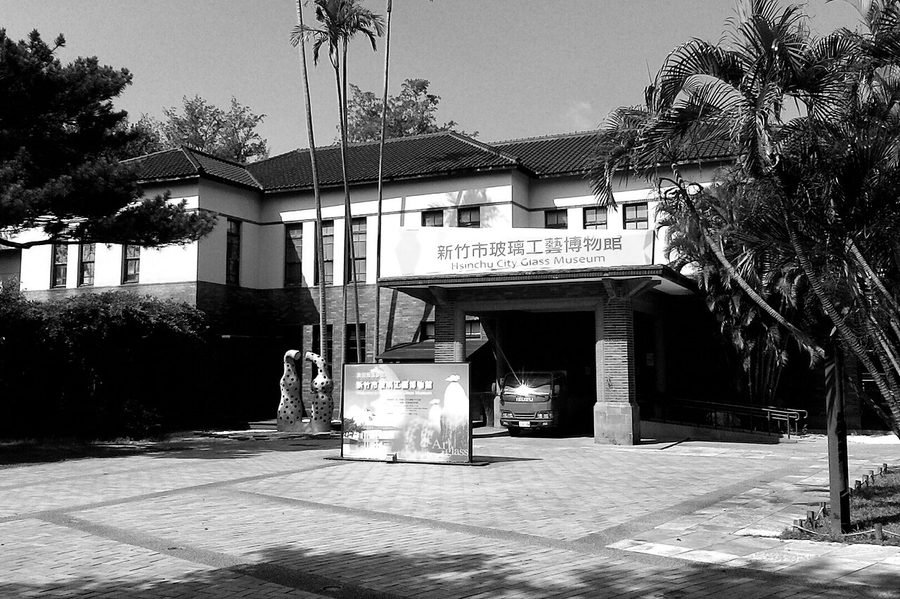



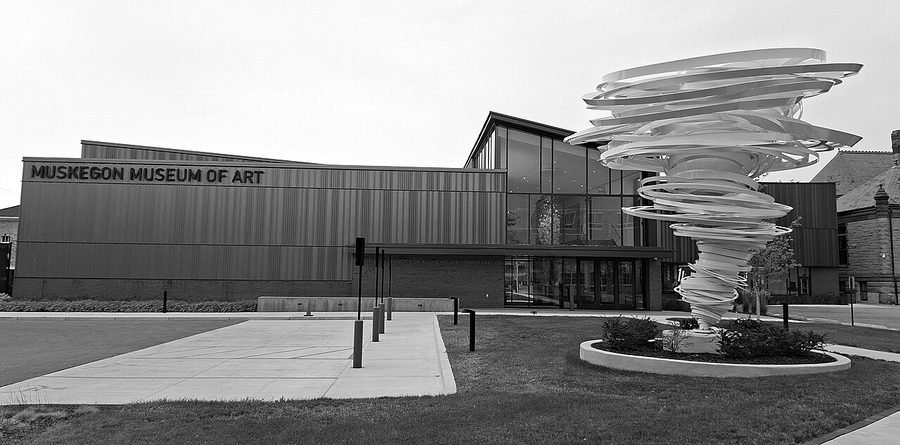

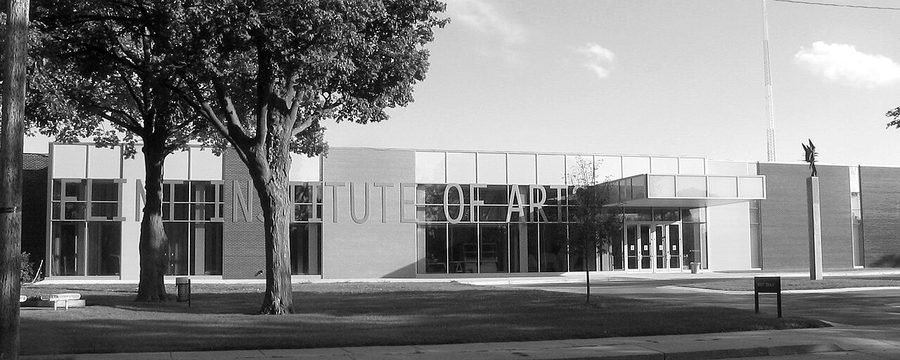
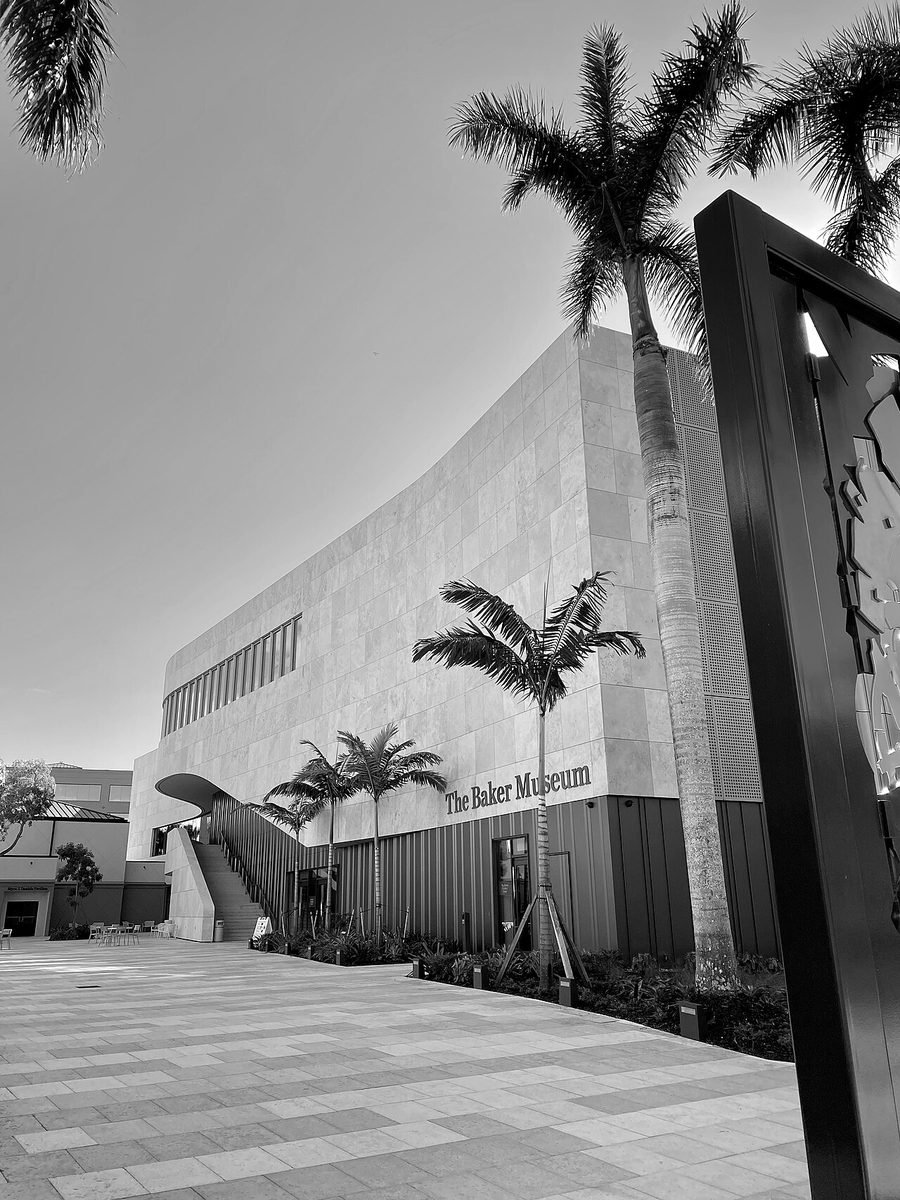
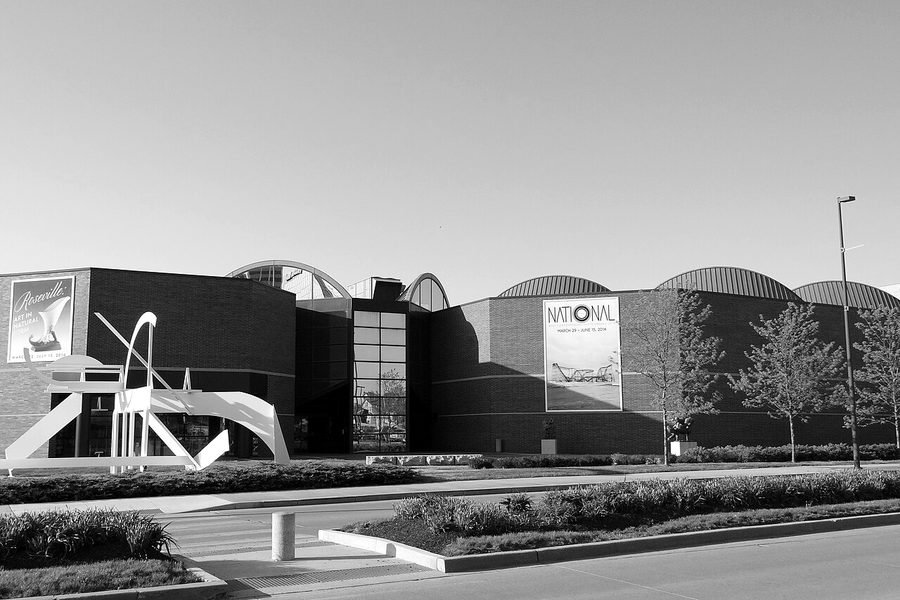
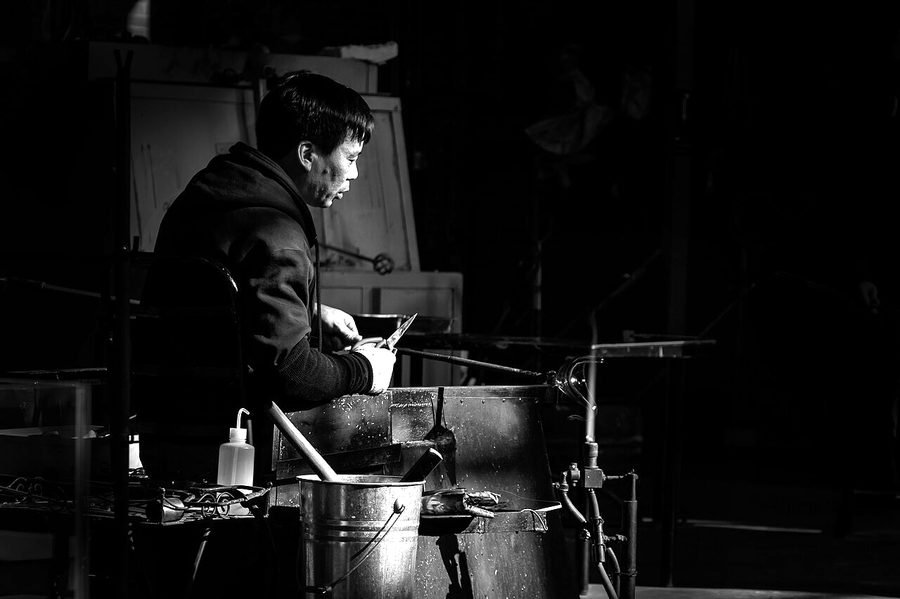
Every winter since 2015, Habatat brings collectors to Florida’s Gulf Coast for Glass Coast Weekend: first access to the Glass Art Fair, the largest for-sale glass exhibition in the Southern United States, with artist talks, live glassblowing and private tours across Sarasota and St. Petersburg.
Habatat launches the weekend in Sarasota, growing out of its Sarasota Glass Weekend and Sarasota Glass Now programs.
The Great Glass Getaway joins St. Petersburg and Sarasota, linking the Imagine Museum with Sarasota’s collections.
The 7th annual edition goes virtual, keeping collectors and artists connected through the pandemic.
The 9th edition, February 1–4, across Sarasota and St. Petersburg.
The 11th edition, February 12–15 at Ringling College of Art and Design: more than 45 artists, the Sarasota Art Museum, a private tour of the Basch Gallery with Barbara Basch, the Sarasota Art Walk, and the Fire & Light VIP evening at the Imagine Museum.
The 12th edition, February 11–14.
Glass Coast Weekend at Habatat · American Craft Council listing · Sarasota Magazine, 2017
Since 2003, Habatat’s Masterworks auctions have given collectors a trusted secondary market for important studio glass, from pioneers such as Harvey Littleton, Dale Chihuly, Lino Tagliapietra, Toots Zynsky and Paul Stankard to today’s leading artists. The flagship sale runs alongside the International each spring, with additional sales through the year, now held regularly and bid online worldwide.
Habatat represents artists from Blown Away, the Netflix glassblowing competition that brought hot glass to a worldwide audience, and runs the Blown Away shop at habatat.com.
Habatat presented his solo exhibition We Are Blown Away, August–November 2022. Exhibition
The UK hot-sculptor named “Best in Glass” in 2021. At Habatat
Seattle artist working in glass on grief, loss and mortality. At Habatat
Blown and hot-sculpted glass miniatures. At Habatat
Glass artist from the series, represented by Habatat.
Represented by Habatat; in the International since the 37th, with a 2013 Award of Excellence. Resume
Shown at Habatat in StreetKraft, 2018.
Blew the reliquary for The Importance of Allies, with Tim Tate, Joyce Scott and Therman Statom.
Habatat opened in 1971 in Dearborn, Michigan, founded by Ferdinand Hampson, his sister Linda Boone and her then-husband Thomas Boone. It began as a gallery of painting, prints and sculpture; within a decade it was the first gallery in the United States to focus exclusively on glass, and its annual Invitational, begun in 1972, became the longest-running glass exhibition in the world. In 2001 the Museum of Arts and Design in New York named the founders Visionaries for their part in the rise of contemporary glass.

For more than five decades Ferdinand Hampson has organized over 125 museum and gallery exhibitions and published or supported more than 50 exhibition catalogs. He curated landmark international exhibitions, among them Cristalomancia at the Museo Tamayo in Mexico City, the first major contemporary glass exhibition in Latin America, and large presentations in Taiwan and China, including the first international glass exhibition in China in 2001. He co-curated Glas: From Ancient Craft to Contemporary Art for the Morris Museum, a six-museum tour, and organized Evolution/Revolution: 50 Years of American Studio Glass for the Dennos Museum Center. He has lectured worldwide, served as consultant and appraiser to major collections and institutions, led collectors’ tours to the world’s glass centers with his wife, Kathy Hampson, and serves as adjunct curator at the Fort Wayne Museum of Art. At the 2023 Glass Art Society conference in Detroit he presented “Glass Defined (In the Art World)” and served as a juror. His oral history is preserved by the Bard Graduate Center’s Voices in Studio Glass History.
Linda Boone co-founded Habatat in 1971 and, with Thomas Boone, carried it to Florida in 1983, first in the Miami area and from 1988 in Boca Raton, where they built a 23,000-square-foot gallery complex that became a destination for collectors. A respected glass scholar, she curated Myrna and Sheldon Palley’s first exhibition at the Lowe Art Museum, University of Miami, which led to the Palleys’ gift and the museum’s dedicated pavilion for their collection, one she has called among the country’s most important studio glass collections. She mentored the next generation of the Florida gallery, her daughter Lindsey Zitani and Jay Scott, who opened a Habatat gallery in Tysons Corner, Virginia, in 2007 and carried the Florida gallery forward when she retired in 2010.
Born in Michigan in 1945, Thomas Boone trained in industrial design at the Center for Creative Studies in Detroit before co-founding Habatat in 1971. He opened Habatat’s Florida gallery and, in the late 1980s, conceived the Gallery Center in Boca Raton, Habatat’s home there for more than two decades. He has served as curator and juror for the Boca Raton Museum of Art, the Coral Springs Museum of Art, the Norton Museum of Art, the Lowe Art Museum and the American Society of Interior Designers. Later he opened Indigo, his own gallery in the same complex, before turning full time to painting; his work is in the Nassau County Museum of Art and has been shown at SOFA Chicago, the Naples Museum of Art and the Los Angeles Art Show.
Sources include the Bard Graduate Center, Artis—Naples, the Museum of Arts and Design, the Lowe Art Museum, habatat.com and habatatgalleries.com.

Corey’s brother and partner, Aaron Schey joined Habatat in 2005 and co-owns the gallery with Corey. A Michigan State University graduate in advertising with a background in computer science, he took Habatat online: he created the Glass Art Fair digital presentation; during the 2020 pandemic he launched Glass 48: Habatat Direct, an online gallery of artists presenting their work and studios on video; he developed the year-long virtual exhibition Not Grandma’s Glass (from 2021) and a limited-edition offering through habatat.com.
Aaron curates Habatat’s MasterWorks auctions and leads the gallery’s live exhibition tours. In 2025 he organized Matriarchs of Mastery: Women Shaping the Future of Glass Art, Habatat’s first exhibition devoted to women artists, featuring twenty artists from around the world. He served on the Detroit site committee for the 2023 Glass Art Society conference.
On Matriarchs of Mastery: “We wanted to showcase these women who are pushing the boundaries because there are a lot more women working with glass today than there were 30 years ago.”
How Aaron moved Habatat’s programming online during COVID-19 with Glass 48: Habatat Direct: “When I was talking to the artists who were expressing their fears about the future of their work, it inspired me to create this new type of online gallery experience.”
Featured as an international art dealer, owner and partner of Habatat Michigan, and founder of the Glass Art Fair and Not Grandma’s Glass.
Auctions curated by Aaron, including the 49th MasterWorks Auction.
Aaron leads a tour of the 52nd International Glass Invitational.
Habatat was founded in 1971 in Dearborn, Michigan, by co-founders Ferdinand Hampson and Linda and Thomas Boone, and became the first gallery in America devoted entirely to artists working in glass, arriving less than a decade after Harvey Littleton’s 1962 Toledo workshops started the Studio Glass Movement. Since 2013 it has been owned and run by the second generation: Corey Hampson and his brother, Aaron Schey. Today the gallery is Habatat Detroit Fine Art in Royal Oak, Michigan, at habatat.com.
The first annual Glass Invitational, with Harvey Littleton, Dale Chihuly, Joel Philip Myers, Mark Peiser, Richard Ritter and David Huchthausen. It grows into the International Glass Invitational, the oldest and largest annual exhibition of contemporary glass.
Klaus Moje’s first American solo show, and Glass: Artist & Influence, a show of 12 artists that traveled to 13 museums. Governor William Milliken declares April Michigan Glass Month, an idea born when Ferdinand Hampson juried a glass exhibition at the Birmingham Bloomfield Art Association.
The first American solo show of Stanislav Libenský and Jaroslava Brychtová, after Pavel Hlava’s in 1982, bringing Czech glass sculpture to American collectors.
Habatat opens a gallery in Chicago’s River North district, its third location after Michigan and Florida.
The Chicago gallery is destroyed in the River North fire of April 15, which consumed nearly a dozen galleries. Cristalomancia in Mexico, the first exhibition of its kind in the country. The same year, first American exhibitions for Lucio Bubacco, Antoine and Etienne Leperlier, Niyoki Ikuta and Matei Negreanu.
The inaugural exhibition of the Museo del Vidrio in Monterrey, Mexico.
The first International Glass Exhibition in China, organized with the Liuligongfang workshop and opening in Beijing and Shanghai: the first multicultural art exhibition in China since 1947.
Jon Kuhn’s exhibition at the Museo del Vidrio in Monterrey, the first solo show there by an American glass artist.
Eleven museum exhibitions for the 50th anniversary of Studio Glass in America, including a retrospective in Naples that drew nearly 400,000 visitors.
Corey Hampson and Aaron Schey take ownership of the gallery.
The 50th International, held during the United Nations International Year of Glass: 95 invited artists and close to 500 works. The Fort Wayne Museum of Art acquired works by Dale Chihuly, Pavel Hlava and Caterina Weintraub from the show.
The 53rd International: more than 80 artists and 500 works, juried by curators from the Fort Wayne Museum of Art, the Marilyn K. Glick Center for Glass and the Barry Museum. Award winners are exhibited each year at the Fort Wayne Museum of Art.
Habatat has also worked with the Shanghai Museum of Glass on Illuminated Space, Richard Whiteley’s first solo exhibition in China, and has developed exhibitions shown in more than 100 public institutions worldwide.
“The history of contemporary glass has gradually, year by year, been assembled within these gallery walls.”
Charles Shepard, President & CEO, Fort Wayne Museum of Art, 2022“Habatat’s International truly has no peer.”
Charles Shepard, 2025


